
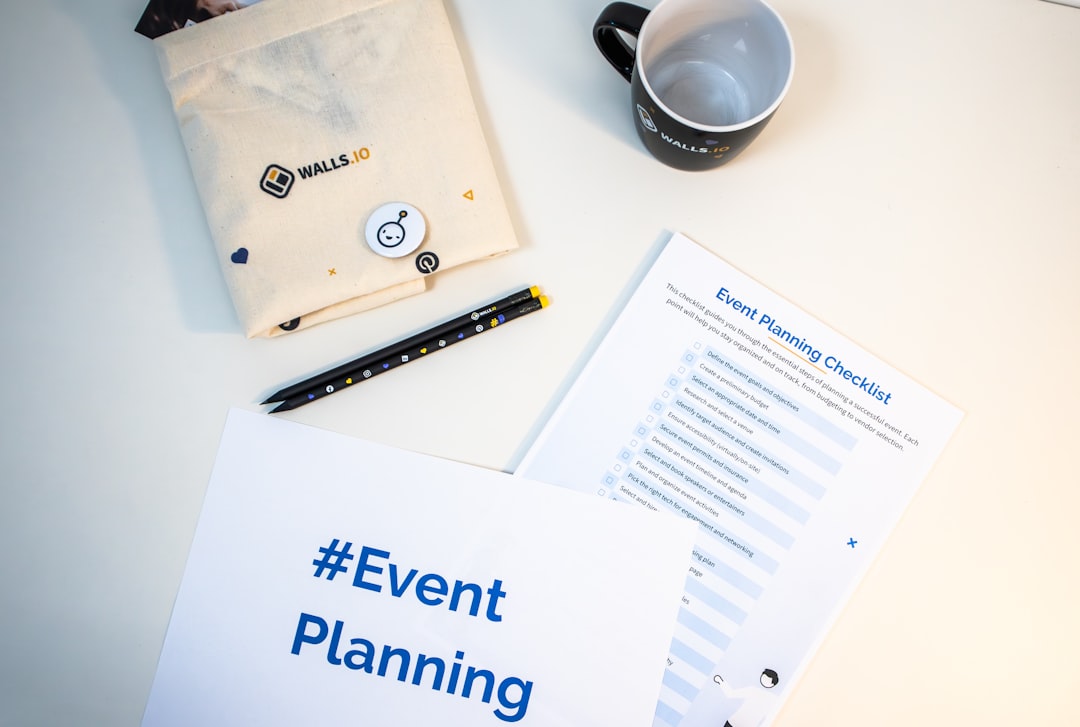
Planning a beautiful event doesn’t have to blow your budget. With clear priorities, smart choices, and a little creativity you can host memorable gatherings that feel intentional rather than expensive.
This guide walks through practical steps—from budget setting to decor, food, entertainment and logistics—so you can create a polished event without overspending. Start by thinking of what matters most and where you can cut costs smartly using trusted supplies and DIY solutions like those in our Event and Party Supplies selection.
1. Set priorities and a realistic budget
Begin by listing the three elements that will make the event feel special to you: atmosphere, food, entertainment, or photos, for example. Allocate your budget to those priorities first—this prevents impulse buys that add up. Create line items for venue, food, drink, decor, rentals, and contingency (5–10%).
When you need reliable, affordable basics for multiple events, consider buying economical items from a dedicated Party Supplies category to reuse or adapt—napkins, serving utensils, plasticware and simple decorations are often cheaper when bought in packs.
2. Trim the guest list and choose the right timing
Guest count drives cost: fewer guests reduce food, seating, and rental needs. Send clear invites and ask for RSVPs with a firm deadline. For big savings, choose off-peak dates and times—weekday evenings, Sunday afternoons, or late-afternoon events often cost less for rentals and entertainers, and guests are usually available.
Consider a shorter time window (2–3 hours) rather than a long reception; less time typically means fewer courses and simpler activities, which cuts costs without reducing enjoyment.
3. Choose the venue wisely—home and neighborhood options
Hosting at home or in a local public space can dramatically lower venue costs. A living room, backyard, or community center can be transformed into a lovely setting with focused decor and good flow. Look into multipurpose spots in your community before outsourcing to expensive venues.
If you plan to host at home, check our Home and Kitchen category for items that make hosting easier—lighting, tableware, and small serving essentials that are useful beyond a single event.
4. Decorations and a cohesive theme without overspending
Pick a simple, cohesive theme and limit your color palette—this makes inexpensive items look curated. Focus effort on high-visibility spots: entryway, food table, and photo backdrop. Affordable, reusable pieces can look premium when grouped and layered thoughtfully.
For inexpensive focal pieces, browse our Decorations selection. Balloons remain one of the highest-impact, low-cost decor options—choose coordinated colors and a few larger pieces rather than many small ones. See balloon kits in our Balloons collection for arch kits and mixed-size sets that instantly elevate a space.
5. Food and drinks: smart catering choices and presentation
Food is one of the largest expenses. Choose formats that are satisfying but economical: buffet-style finger foods, grazing boards, or a few hearty shared dishes rather than plated multi-course meals. Limit alcohol options to a signature drink, beer and wine, or a cash bar to reduce waste and cost.
How you serve food affects perceived value. Invest in reusable or attractive disposable serveware and table linens that match your theme. Our Dinnerware and Serveware and Tablecloths categories include pieces that lift presentation without a large price tag.
6. Entertainment and activities that keep guests engaged
Match entertainment to the guest list and venue. Simple music playlists, a curated photo area, games, or a single paid performer (like a DJ for a short set) can provide plenty of enjoyment. Plan activities that use what you already own—board games, a photo slideshow, or a DIY craft station can be memorable and inexpensive.
If children are attending, designate a small supervised activity zone rather than hiring full-time childcare—this reduces costs and keeps kids happily occupied.
7. DIY, thrift and smart sourcing
DIY where it saves time and money. Make signage, playlists, and simple centerpieces yourself. Buy bulk basics from discount retailers, borrow statement items (vases, lanterns) from friends, and shop thrift stores for unique pieces that add character.
Buy craft supplies and tools from the Arts, Crafts and Sewing selection to make cohesive DIY elements—garlands, place cards, and customized favors—rather than spending on many pre-made items.
8. Rentals, logistics and a clear timeline
Create a one-page event timeline covering setup, guest arrival, food service, activities, and breakdown. Assign simple roles to friends or hire a coordinator for a few critical hours rather than the whole event to save money.
Decide rentals versus buying by comparing frequency of use. Rent specialty items you’ll rarely need; buy reusable basics like linens and serving trays if you plan to host regularly. Keep a small toolkit and cleaning supplies on hand to handle last-minute fixes.
- Set a firm budget and prioritize the top three elements.
- Cut guest count or shorten the event time to reduce costs.
- Host at home or a community space when possible.
- Focus decor on key areas; use balloons and coordinated colors for big impact.
- Choose buffet or shared-plate formats for affordable catering.
- Use DIY and thrift sources for unique, inexpensive pieces.
- Create a clear timeline and assign roles for smooth logistics.
FAQ
- How far in advance should I plan? Start at least 6–8 weeks out for medium-sized events to secure vendors and compare prices; smaller casual gatherings can be planned in 2–4 weeks.
- What’s the best way to save on food costs? Serve a few high-quality dishes family-style or a buffet, choose seasonal ingredients, and limit open-bar options to a signature cocktail plus beer and wine.
- Are DIY decorations worth the time? Yes—simple DIY items (centerpieces, signs, garlands) can look polished and save money. Use templates and batch-produce to keep time investment low.
- When should I rent vs buy? Rent specialty or one-off items (large tents, formal chairs). Buy staples you’ll reuse (linens, reusable serveware) if you plan to host more than once a year.
- How can I make inexpensive plates and table settings look nicer? Use a consistent color palette, layer tablecloths or runners, and add small touches like cloth napkins, low centerpieces, and simple place cards to elevate the look affordably.
Practical takeaway: prioritize what matters, cut where it won’t be noticed, and invest in a few reusable basics that improve presentation. With planning and a focus on high-impact, low-cost choices—decor focal points, smart food formats, and strong timelines—you can create a beautiful, memorable event without overspending.