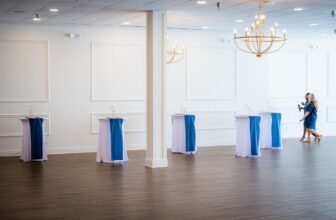
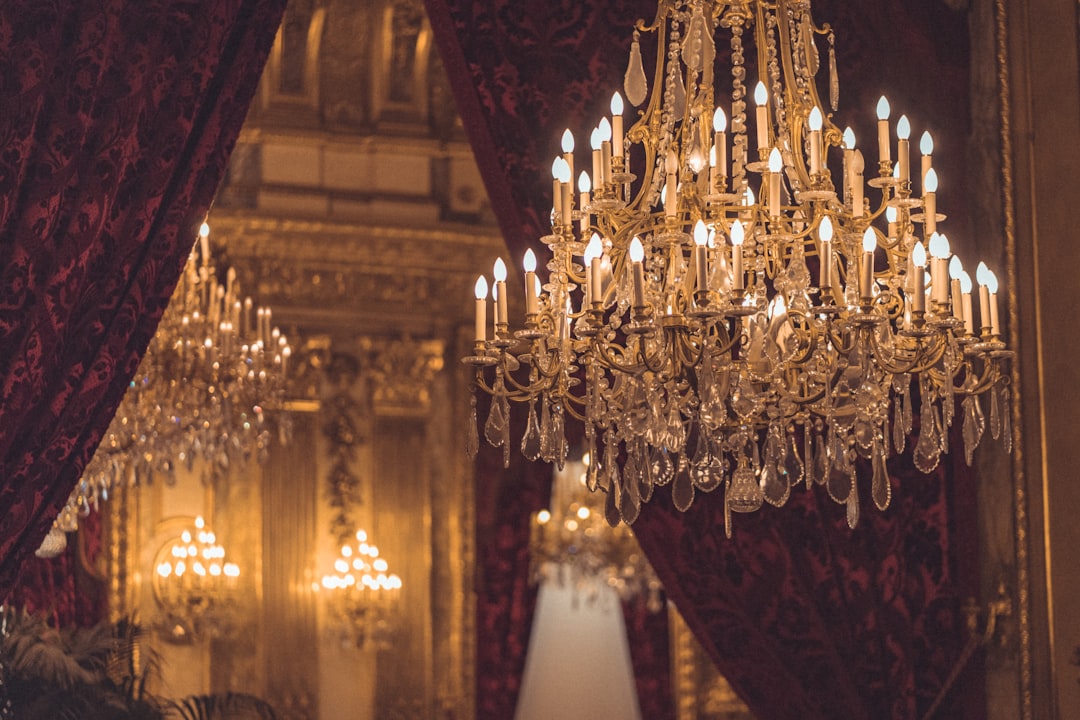
Lighting makes the difference between a room that looks staged and one that feels warm, elegant and inviting. With the right planning and a few practical techniques, you can transform any event space into a comfortable, refined atmosphere without overspending.
These tips focus on color temperature, layers, focal points and safety so your guests feel relaxed and impressed. For supplies and small decor items that pair with lighting, start by browsing relevant options in Event and Party Supplies.
Understand warm vs. cool light
Warm light (around 2700K–3000K) reads as cozy and flattering for skin tones; cool light (4000K+) feels crisp and energetic. For a warm, elegant atmosphere choose warm white bulbs for ambient and accent lighting. Reserve cooler temperatures only for task areas where visibility is essential, such as a bar or food prep station.
Layer your lighting: ambient, task, accent
Design lighting in three layers:
- Ambient: general illumination — chandeliers, pendant clusters, or string lights.
- Task: brighter, focused light for serving stations and food tables.
- Accent: small fixtures that highlight walls, floral arrangements or signage.
Use soft uplights and sconces in combination with overhead fixtures to avoid a flat look. If you’re using decorative elements, consider coordinating with other items from the Decorations category to create cohesive focal points.
Choose bulbs and color temperature deliberately
LED bulbs are energy-efficient and come in a wide range of color temperatures and CRI (Color Rendering Index). For an elegant feel, pick LEDs with CRI ≥ 90 when possible so food and fabrics look natural. Select 2700K–3000K for lounge and dining zones. Label bulbs and fixtures on a floor plan to avoid mismatched temperatures in adjacent zones.
Dimmer controls and zoning
Installing dimmers or using smart bulbs lets you control mood throughout the event: brighter during cocktail hour, softer during dinner and low for dancing or speeches. Create lighting zones (entrance, dining, stage, bar) and assign each one its own dimmer. If you rely on plug-and-play fixtures and battery-operated lights, combine them with higher-level dimmable architecture for the smoothest transitions.
Highlight key areas and decor
Identify focal points—entrance, cake table, sweetheart table, bar—and light them deliberately. Use pin spots, small LED uplights, or warm string lights to draw attention without overpowering the scene. For balloon arches or statement backdrops, integrate soft uplighting to add depth and drama; matching your balloon palette with lights can make photo moments pop, especially when you source pieces from the Balloons selection.
Table lighting and dining ambiance
For dinners, layer a low-level ambient source with table-level accents. Candles (real or LED) create intimacy; cluster votives and a few pillar candles down the center of longer tables. For plated service, ensure server pathways have slightly higher light so staff can work efficiently without spoiling the table mood. Consider pairing table lighting choices with items from Dining and Entertaining to coordinate centerpieces and serveware.
Table linens, surface reflections and texture
Light interacts with fabrics and surface finishes. Matte tablecloths reduce glare and keep light soft, while metallic runners and glossy serveware reflect highlights and can add sparkle. Choose linens and runners that complement the lighting scheme; browse coordinated options such as Tablecloths to control reflections and color balance at each table.
Cake, dessert and focal-point styling
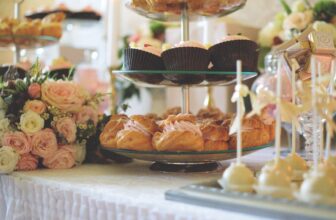
The dessert table is often photographed, so spotlight it subtly. Use a warm, focused beam from above or behind the cake to create a gentle halo that enhances texture and detail. If you’ll display on a pedestal, match your lighting to the stand height; combining a dramatic display with an elegant base like those in the Cake Stands collection helps create a refined focal point.
Outdoor and pathway lighting
For outdoor events use low-level lanterns, path lights, and string lights to guide guests and define spaces. Keep wattage low and color warm to preserve a cozy feel and reduce light spill. For clear sightlines and safety, illuminate steps and change-of-levels with dedicated fixtures. If you have yard features or greenery, subtle uplighting adds elegance without harshness.
Practical setup, power and safety
Plan power distribution and backups early. Use heavy-duty extension cords and outdoor-rated fixtures as needed. Tape or cable-cover cords in guest areas and keep dimmers and transformers away from liquids. Keep a small kit of extra bulbs, batteries and general Party Supplies (gaffer tape, cable ties, spare clips) on hand for quick fixes.
Finishing touches: color, gel filters and decor synergy
Add subtle color with warm gels or RGB LEDs set to warm white for an elegant wash. Use color sparingly—accent hues work best in small doses to complement florals and fabrics. Tie lighting with final decor choices so the room reads as a single design; consider sourcing accent decor and finishing pieces from the Home Décor Products range to harmonize the look.
Checklist: Quick setup items
- Plan lighting zones on a floor plan.
- Choose bulbs: warm 2700K–3000K, CRI ≥ 90 for key areas.
- Reserve dimmers/smart controls for mood shifts.
- Mark power sources and run protected cabling.
- Cluster candles/LEDs for table warmth and intimacy.
- Spotlight focal points (cake, stage, entrance).
- Pack extra bulbs, batteries and basic Event and Party Supplies.
- Test the setup before guests arrive.
Conclusion — one practical takeaway
Start with warm ambient light, add task and accent layers, and control everything with dimming and zones. Small, strategic highlights—on the cake, tables and entrance—create an effortless sense of warmth and elegance that guests notice immediately.
FAQ
Q: What color temperature is best for weddings and dinner parties?
A: Aim for 2700K–3000K for a warm, flattering glow that suits skin tones and table settings.
Q: Can I mix LED and incandescent bulbs?
A: Avoid mixing in the same zone unless color temperatures match; mismatched light sources create uneven color and mood.
Q: How can I make a small space feel more elegant with lighting?
A: Use layered lighting, keep overall levels low and add a few well-placed accents or uplights to create depth without clutter.
Q: Are real candles better than LED for ambiance?
A: Real candles offer dynamic flicker but require safety management; high-quality warm LED candles are a safe, low-maintenance alternative that still reads elegant.
Q: How far in advance should I set up and test lighting?
A: Setup and testing the day before or several hours before guests arrive is ideal—this allows time to adjust color, intensity and fix any power issues.